Oven roasted tomato paste is the quiet, hands-off way to turn a glut of tomatoes into the deepest flavour in your pantry. The tomatoes first stew briefly on the stove, then cook for two hours in a very low oven (90-100 C / 200-210 F), where they slowly give up their water and concentrate into a dark, caramelized paste. I start a batch in the morning and let the oven do the rest while I cook everything else.
This method differs from stovetop paste in one important way: the gentle, even heat of the oven never scorches the pulp, so the flavour stays sweet and rounded instead of bitter. Stirring every half hour is the only real work involved, and the reward is a paste with remarkable depth.
The recipe below uses both imperial and metric measures for American and British kitchens. Pack the finished paste into jars and use it all winter in sauces, soups, stews and braises: two kilograms of tomatoes condense into something far more valuable than their shelf price suggests.
Why You’ll Love This Oven Roasted Tomato Paste
Oven roasted tomato paste concentrates flavour without any risk of burning: the low oven works slowly and evenly while you are free to do other things. The result is darker, sweeter and more complex than quick stovetop paste, with the caramelized notes of slow roasted tomatoes built right in. Two ingredients do the heavy lifting, so the paste stays vegan, gluten-free and free from additives. A single batch fills several jars, and each one earns its space: a spoonful transforms pasta sauces, bean stews, soups and marinades all winter long.
Storage Notes
Pack the hot paste into clean jars and close with lids. Sealed jars keep in a cool, dark cupboard; once opened, refrigerate the paste and use within a week, or freeze portions in ice-cube trays for long storage.
Pro Tips
- Keep the oven truly low at 90-100 C (200-210 F): higher heat risks scorching the edges and turning the paste bitter.
- Use a wide baking tray or dish: a large surface area speeds evaporation and shortens the oven time considerably.
- Stir every 30 minutes and scrape the sides and corners, where the paste thickens first and can catch.
- Passing the stewed tomatoes through a sieve before the oven step removes seeds and skin for a silkier, more refined paste.
- Check the thickness early: the paste continues to tighten as it cools, so stop when it is still slightly looser than you want.
FAQ
What is the difference between oven roasted and stovetop tomato paste?
Both start from cooked-down tomatoes, but the oven method uses gentle, even heat for two hours, which concentrates the pulp without any stirring burn risk. The flavour is sweeter and more caramelized, with less acidity and no bitter edges.
Why cook the tomatoes on the stove first if the paste finishes in the oven?
The 30-minute simmer breaks down the tomatoes and softens them so they can be sieved into a smooth pulp. Starting the oven step with a smooth, cooked puree gives a more even, refined final paste.
Can I use a higher oven temperature to save time?
You can go up to about 120-130 C (250-270 F), but watch the tray closely and stir more often. Above that, the paste can catch and turn bitter before enough water has evaporated.
How much paste does 2 kg (4.4 lb) of tomatoes make?
Roughly 450-550 g (about 2 cups) of thick paste, depending on how juicy your tomatoes are and how far you reduce them. It is enough for several jars and many winter meals.
Conclusion
Spend one slow afternoon on oven roasted tomato paste and your winter cooking changes. This homemade tomato paste starts with slow roasted tomatoes, a tomato concentrate recipe that is really oven dried tomato paste made at home. The roasted tomato puree deepens in the low and slow cooking of a quiet oven, then the stewed tomato pulp is packed as preserved tomatoes. Keep a jar as a pantry staple for sauces, soups and stews, and taste how much sweeter it is than anything from a shop shelf. For more, try my Pasta with Homemade Tomato Sauce. For more, try my Baked Yams With Tomato Sauce. For more, try my Buckwheat Meatballs in Tomato Sauce. For more, try my Sunflower Seed Mayo (Raw Vegan). For more, try my Balsamic Sauce (Easy Salad Dressing). For more, try my Homemade Vegan Barbecue Sauce. More ideas in my vegan sauces.
Recipe Card

Oven Roasted Tomato Paste
Ingredients
Method
- Put the cut tomatoes in a pot and cook over low heat for 30 minutes, until completely soft.
- Cool the tomatoes slightly, then rub them through a sieve to get a smooth pulp without seeds and skin.
- Mix the pulp with the vegetable oil, salt, black pepper and ground coriander.
- Spread the mixture on a baking tray or into a baking dish and place in an oven preheated to 90-100 C (200-210 F).
- Cook for about 2 hours, stirring periodically and checking the thickness as the paste concentrates.
- Pack the finished paste into jars, close with lids and leave to cool before storing.
Nutrition
Tried this recipe?
Let us know how it was!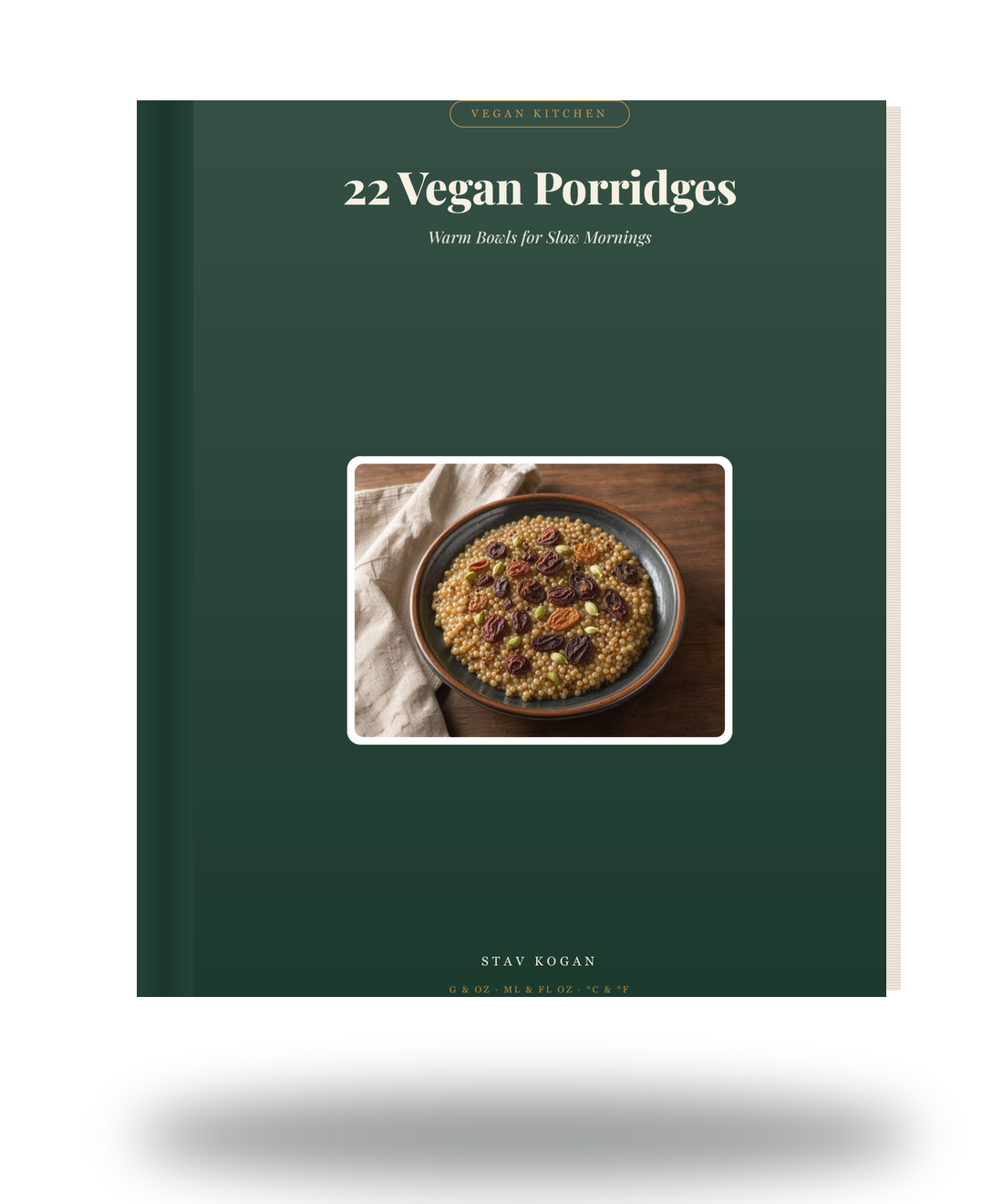
Free e-book
22 Vegan Porridges
22 warm vegan porridge and grain bowls for every course of the day: millet, buckwheat, oats, rice, polenta, and sorghum, from sweet morning bowls to savory dinners. Free, straight to your inbox.
- Every recipe fits on one page: ingredients, plain steps and a photo of the finished dish.
- Dual measurements: grams with ounces, milliliters with fluid ounces, Celsius with Fahrenheit.
- No exotic ingredients: simple pantry basics from any grocery store.
Twelve Plants a Week, One Crisp Bowl
Generous salads pair with a gut-microbiome wellness theme. Colorful, crunchy, and dressed with care, they help everyday meals feel light and complete.
- Rotate greens for fiber range
- Emulsified dressing softens bitterness
Educational culinary & wellness note — not medical advice. Reader-supported links may earn a small commission at no extra cost to you.





0 Comments