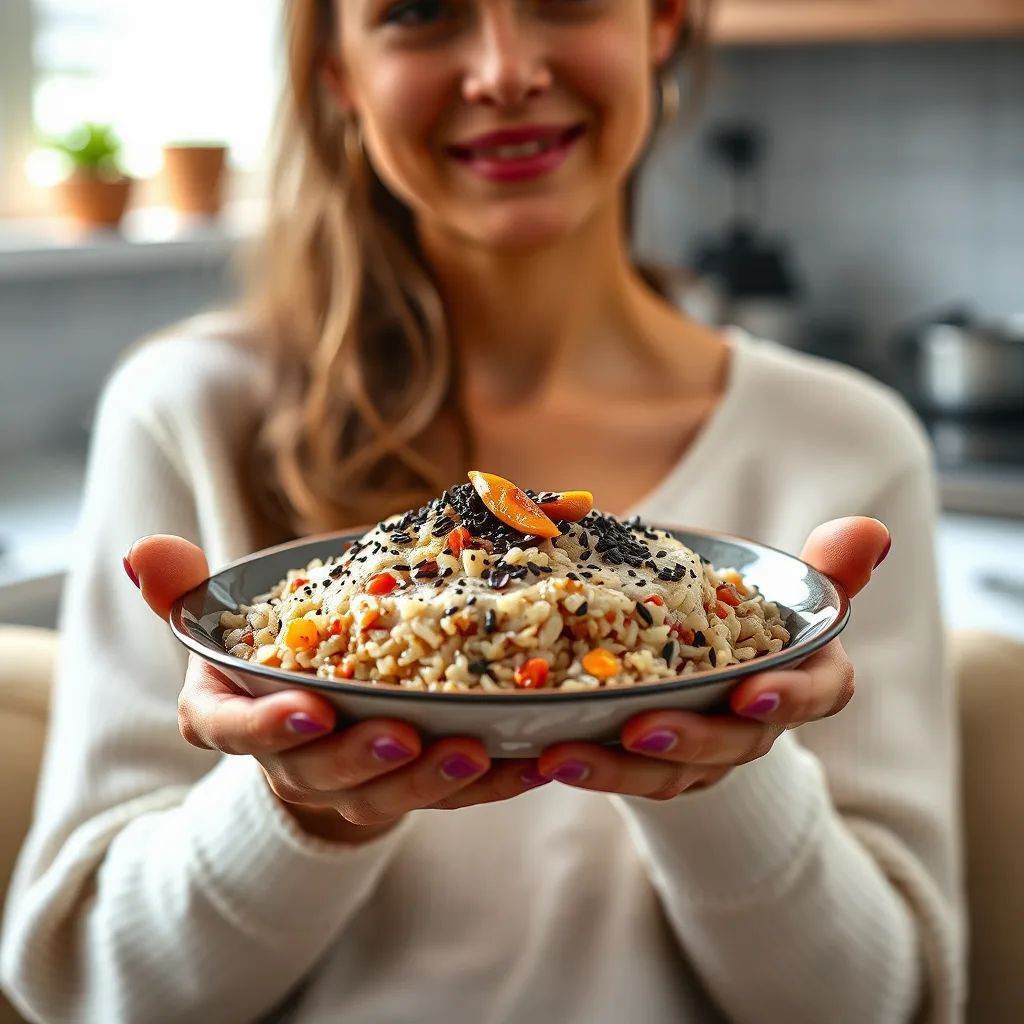
Vegan kheer is my dairy-free answer to the classic Indian rice pudding: short-grain brown rice slow-simmered in homemade black sesame milk until it turns thick, glossy, and deeply nutty. Traditional kheer relies on milk and ghee, but sesame milk carries the same richness without any dairy, and the toasted, almost chocolatey notes of black sesame make the pudding taste far more luxurious than its humble ingredients suggest. It is sweet, spicy, and dense – the kind of dessert meant for small, satisfying portions.
The spices are the real key here. Cinnamon, cardamom, cloves, nutmeg, and turmeric do not just flavor the dish; they help the body digest something genuinely rich. That balance is why kheer has been served at Indian celebrations for centuries – warm in winter, chilled in summer, always in small bowls.
I make this vegan kheer on quiet weekends, starting the soak the night before. The overnight rest softens the rice so it breaks down into real pudding creaminess, and it wakes up the sesame and apricot kernels. Below you will find the full recipe with dual measures, my sesame milk method, and everything I have learned about getting the texture right.
Why You’ll Love This Vegan Kheer
This vegan kheer turns three pantry staples – rice, sesame, and warm spice – into a genuinely elegant dairy free kheer with almost no technique. Black sesame milk replaces cream entirely while adding calcium and a deep, nutty flavor that ordinary vegan rice pudding rarely achieves. The spices make it warming and digestible, and turmeric gives the pudding its signature golden glow. It is naturally gluten free, make-ahead friendly, and even better the next day. Serve it as a healthy pudding recipe for weeknights or as an impressive vegan Indian dessert after a curry feast – small bowls, big flavor.
Storage Notes
Kheer thickens as it cools; loosen leftovers with a splash of sesame milk or water when reheating. It can be served warm or cold, and keeps well covered in the refrigerator. Garnish with a little cinnamon and a couple of clove buds; go easy on raisins, since the dish is rich and the fruit can cause fermentation.
Pro Tips
- Soak the rice, sesame, and apricot kernels overnight in separate glass or ceramic bowls – the rice cooks creamier and the seeds activate.
- Use black sesame with its husk rather than hulled white sesame; the fiber and flavor are both better.
- Simmer the kheer low and slow, stirring often, so the rice breaks down without catching on the bottom of the pan.
- Sweeten with Jerusalem artichoke (topinambour) syrup or a little stevia instead of refined sugar, as in the original recipe.
- Serve in small portions – this is a rich, concentrated dessert, and the spices make a little go a long way.
FAQ
What is vegan kheer made of?
This version uses brown rice, black sesame, and apricot kernels blended into sesame milk, plus warming spices and a touch of syrup. No dairy, no condensed milk – the creaminess comes entirely from the sesame and slow-simmered rice.
Can I use white rice instead of brown?
Yes. White rice will cook faster and produce a smoother, more classic pudding texture; brown rice keeps more fiber and a nuttier bite. Adjust the simmering time until the grains are very soft.
What can I substitute for sesame milk?
Any rich plant milk works – coconut milk or cashew milk give the closest result. But the black sesame milk is what makes this kheer special, so it is worth trying once with the homemade version.
Is kheer served hot or cold?
Both are traditional. Serve it warm for a comforting winter dessert or chill it for a few hours for a thick, creamy summer pudding – it thickens considerably as it cools.
Conclusion
Vegan kheer proves that a vegan Indian dessert can be just as rich and celebratory as the original. With a simple sesame milk recipe and a handful of spice, this vegan rice pudding becomes a black sesame dessert worth slowing down for. Serve it warm as a spiced rice pudding on a cold night or chilled as a turmeric rice pudding in summer – either way it is a gluten free dessert and a healthy pudding recipe that feels like a treat. Make this dairy free kheer once, and this Indian rice pudding classic will earn a permanent place in your kitchen. For more, try my Vegan Banana Pancakes. For more, try my Vegan Pancakes With Fruit Sauce. For more, try my Yeast-Free Vegan Bread. For more, try my Quinoa Popcorn. For more, try my Sweet Banana Varenyky (Vegan Dumplings). For more, try my No-Bake Vegan Tiramisu. More ideas in my vegan desserts.
Recipe Card
Vegan Kheer With Black Sesame
Ingredients
Method
- Rinse the rice, black sesame, and apricot kernels and soak them overnight in separate glass or ceramic bowls.
- In the morning, drain the water from all three bowls.
- Make the sesame milk: blend the soaked sesame seeds with 1 cup (240 ml) fresh water until smooth, then squeeze the liquid through a cloth or nut milk bag (the leftover pulp dries into a natural body scrub).
- Combine the soaked rice and apricot kernels with the sesame milk in a heavy saucepan and bring to a gentle simmer.
- Cook over low heat, stirring often, until the rice is very soft and the kheer is thick and creamy, about 30-40 minutes.
- Stir in the cinnamon, cardamom, cloves, nutmeg, turmeric, sea salt, and Jerusalem artichoke syrup, and simmer for 5 minutes more.
- Serve the kheer warm or chilled in small bowls, sprinkled with cinnamon and a couple of clove buds, with a few raisins on top if you like.
Nutrition
Tried this recipe?
Let us know how it was!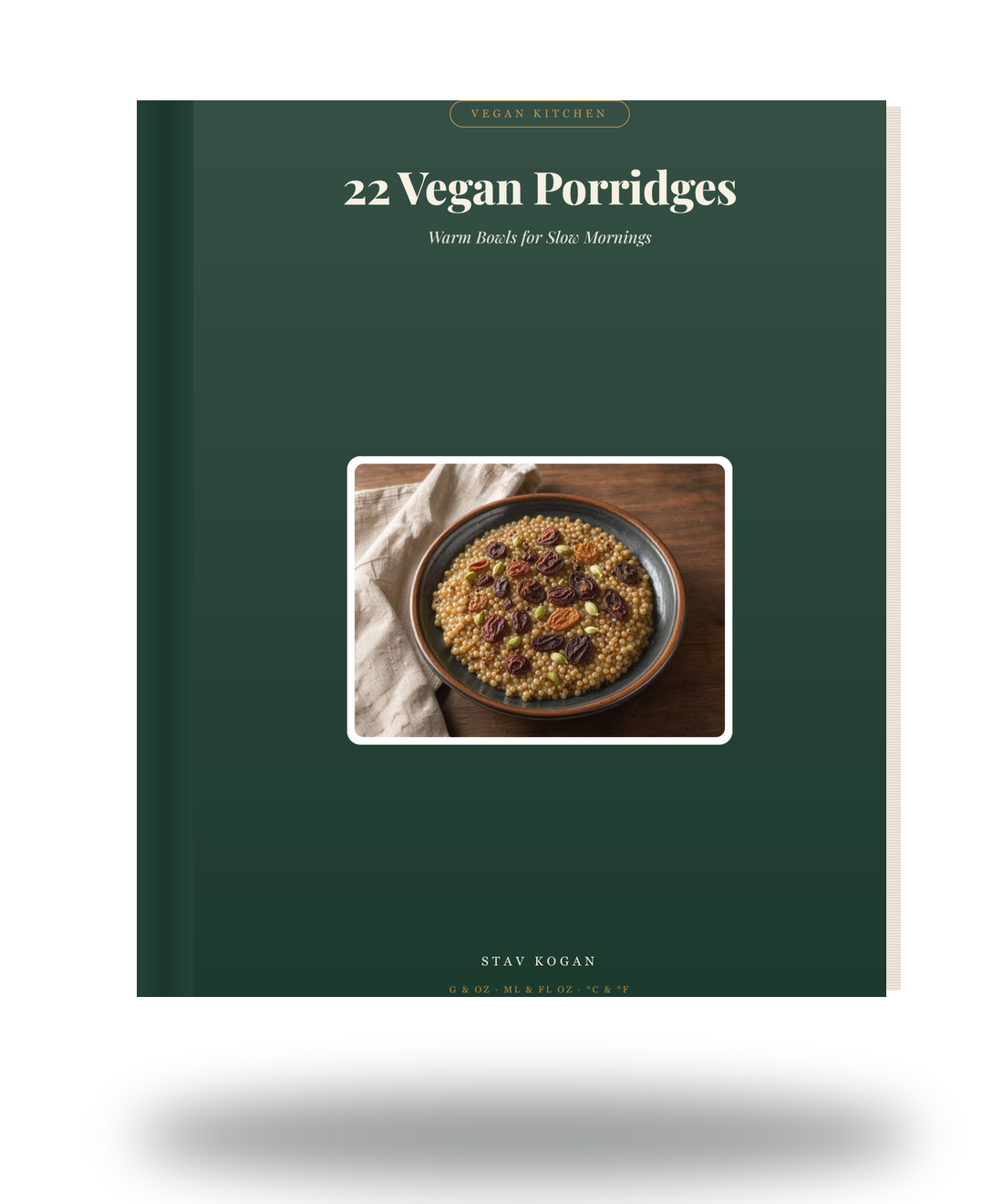
Free e-book
22 Vegan Porridges
22 warm vegan porridge and grain bowls for every course of the day: millet, buckwheat, oats, rice, polenta, and sorghum, from sweet morning bowls to savory dinners. Free, straight to your inbox.
- Every recipe fits on one page: ingredients, plain steps and a photo of the finished dish.
- Dual measurements: grams with ounces, milliliters with fluid ounces, Celsius with Fahrenheit.
- No exotic ingredients: simple pantry basics from any grocery store.
Twelve Plants a Week, One Crisp Bowl
Generous salads pair with a gut-microbiome wellness theme. Colorful, crunchy, and dressed with care, they help everyday meals feel light and complete.
- Rotate greens for fiber range
- Emulsified dressing softens bitterness
Educational culinary & wellness note — not medical advice. Reader-supported links may earn a small commission at no extra cost to you.




0 Comments