Vegan fasolada is Greece’s answer to the question of what makes a truly great bean soup: dried white beans slowly simmered with carrots, celery, red pepper and tomatoes, then perfumed with oregano, thyme and a squeeze of lemon. Often called the national dish of Greece, this greek white bean soup is humble, generous and – in its classic form – completely plant-based.
What makes this white bean soup recipe special is the pacing. The beans get their long, gentle simmer first, the vegetables are layered in as they cook, and the tomato mixture goes in near the end so the broth stays bright. Fifteen minutes of rest under a lid finishes everything off into a hearty bean stew with a broth you will want to mop up with bread.
I make this traditional greek stew whenever the weather turns. It is mediterranean comfort food at its purest – and a plant based dinner that costs pennies, feeds a crowd and tastes even better the next day.
Why You’ll Love This Vegan Fasolada
This vegan fasolada delivers deep, slow-cooked flavour from the cheapest ingredients in the shop. White beans break down just enough to thicken the broth while staying creamy, the vegetables add sweetness, and the olive oil, oregano and thyme make the whole pot taste like a Mediterranean kitchen. It is a budget friendly dinner that feeds six, it reheats beautifully, and it needs no specialist ingredients or techniques – just time. Naturally vegan and easily gluten free, this greek white bean soup is the kind of herbed white beans dish that converts bean skepters into bean lovers after a single bowl.
Pro Tips
- Soak the beans overnight in cold boiled water and drain it well – this shortens the cooking time and makes the beans far easier to digest.
- Skim the foam diligently in the first ten minutes of boiling; it keeps the broth clean and clear rather than murky.
- Season with salt only after the beans are almost tender. Salt added too early toughens the skins and lengthens the simmer.
- Puree the canned tomatoes with their juice and add the fresh tomatoes later – this builds a rounded tomato base without losing the fresh tomato texture.
- The 15-minute rest under the lid is not optional: it lets the broth thicken and the herbs infuse, and it is what makes fasolada taste like fasolada.
FAQ
What kind of beans are best for fasolada?
Small or medium white beans such as navy beans, cannellini or Great Northern beans. They hold their shape during the long simmer while releasing enough starch to thicken the broth naturally.
Can I use canned beans instead of dried?
You can – use three 15 oz (400 g) cans, drained and rinsed, and add them with the carrots. Simmer the soup for about 25-30 minutes total instead of the long bean cooking time. Dried beans give the better broth, but canned beans make this a weeknight dinner.
Is fasolada traditionally vegan?
Yes. Classic Greek fasolada is a meatless dish built on beans, vegetables and olive oil – it is one of the pillars of Greek lenten and everyday cooking, and it needs no substitutions to be completely plant-based.
What do you serve with fasolada?
Crusty bread for the broth, a simple green salad, and something briny like olives or pickled peppers on the side. A drizzle of raw olive oil and a little extra lemon over each bowl finish it perfectly.
Conclusion
This vegan fasolada is slow simmered beans at their finest: herbed white beans, sweet vegetables and a tomato bean soup broth that tastes like a Greek kitchen. As a traditional greek stew it is naturally a plant based dinner, and it doubles easily for a budget friendly dinner party. Make this greek white bean soup once and it earns its place among your favourite white bean soup recipe staples – hearty bean stew, mediterranean comfort food and pure, honest cooking in one pot. For more, try my Cabbage Hodgepodge with Mushrooms. For more, try my Chili Sin Carne with Soy and Spelt. For more, try my Hearty Vegan Lentil Stew. For more, try my Tomato Soup with Avocado. For more, try my Spicy Tomato Soup with Chickpeas. For more, try my Vegan Borscht. More ideas in my vegan soups.
Recipe Card

Vegan Fasolada (Greek White Bean Soup)
Ingredients
Method
- Soak the beans overnight in cold boiled water, then drain the water and rinse the beans.
- Pour 10 cups (2.5 L) of water into a pot, add the beans and bring to a boil, skimming off the foam. Simmer on high heat for the first 10 minutes, then reduce the heat and cook until the beans are almost tender.
- Meanwhile, peel and slice the carrots into rings, cut the bell pepper into large cubes and slice the celery. Score the fresh tomatoes in a cross, dip them in boiling water for a few seconds, then peel and cut them into half-rings.
- Puree the canned tomatoes in their own juice with an immersion blender and stir in the tomato paste and the fresh tomatoes.
- When the beans are almost cooked, add the celery and bell pepper and bring back to a boil. Add the carrots and simmer for 5-7 minutes.
- Stir in the tomato mixture, then season with salt, freshly ground black pepper, dried oregano, dried thyme and lemon juice. Cook for another 7 minutes.
- Cover the pot with a lid and let the fasolada stand for 15 minutes before serving.
Nutrition
Tried this recipe?
Let us know how it was!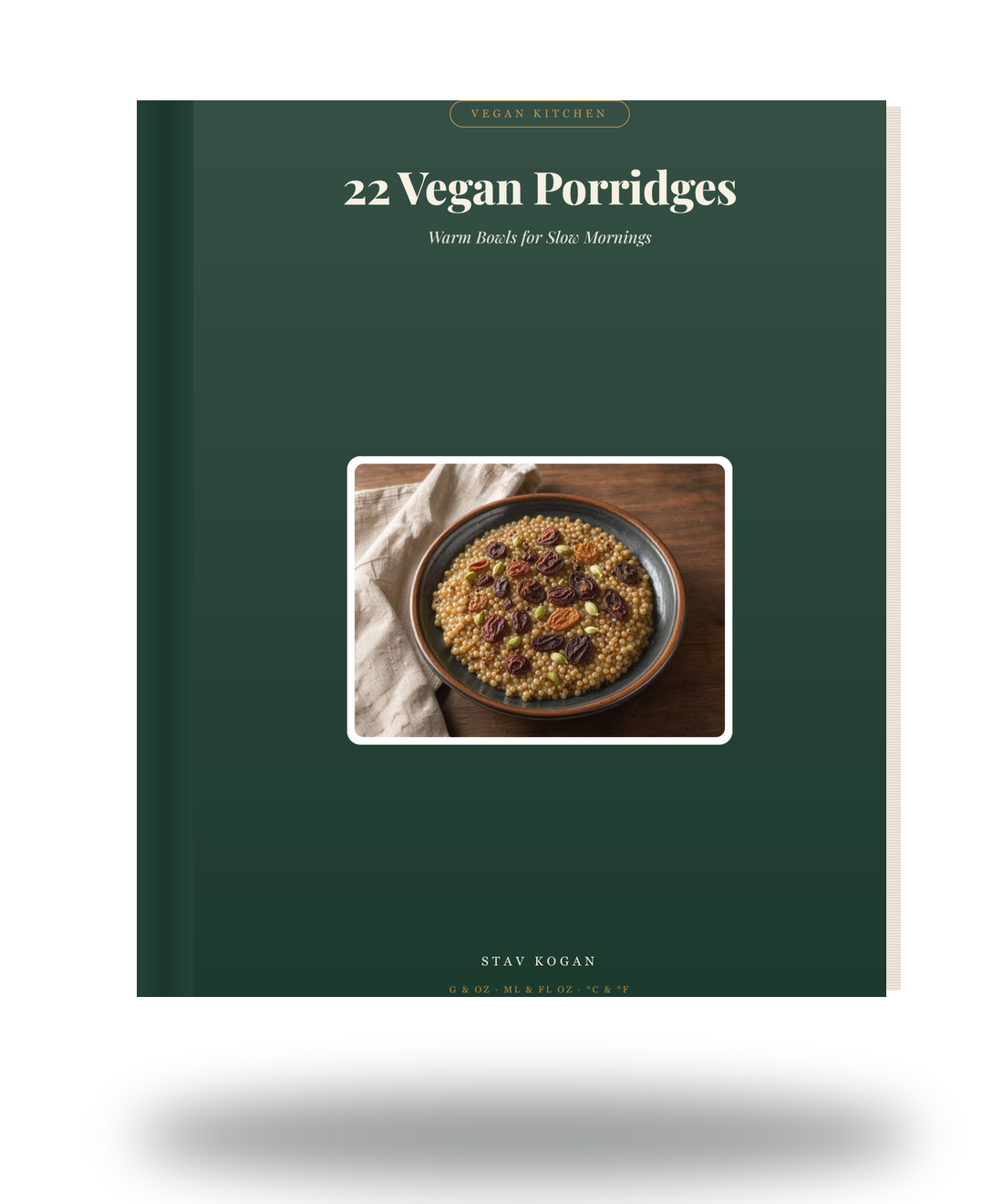
Free e-book
22 Vegan Porridges
22 warm vegan porridge and grain bowls for every course of the day: millet, buckwheat, oats, rice, polenta, and sorghum, from sweet morning bowls to savory dinners. Free, straight to your inbox.
- Every recipe fits on one page: ingredients, plain steps and a photo of the finished dish.
- Dual measurements: grams with ounces, milliliters with fluid ounces, Celsius with Fahrenheit.
- No exotic ingredients: simple pantry basics from any grocery store.
Kitchen essential: mediterranean
Twelve Plants a Week, One Crisp Bowl
Generous salads pair with a gut-microbiome wellness theme. Colorful, crunchy, and dressed with care, they help everyday meals feel light and complete.
- Rotate greens for fiber range
- Emulsified dressing softens bitterness
Educational culinary & wellness note — not medical advice. Reader-supported links may earn a small commission at no extra cost to you.





0 Comments